

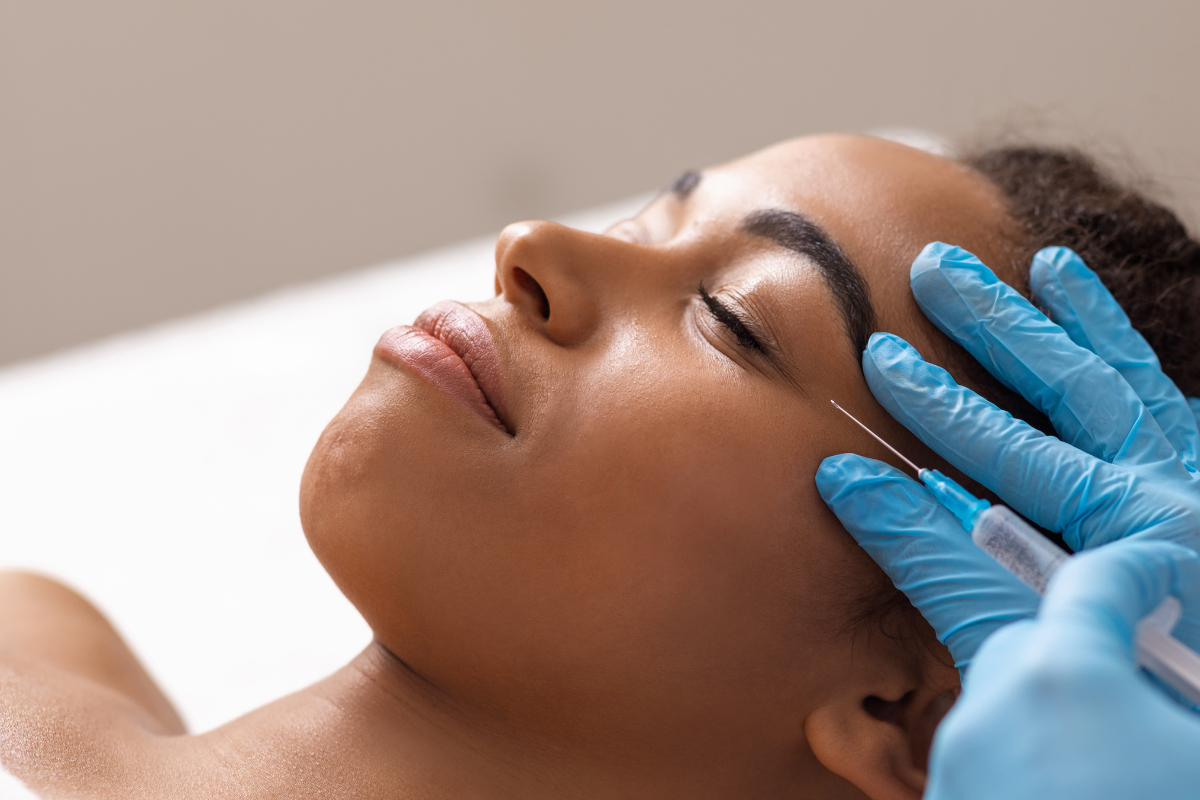
Facial aging does not happen in one single way. Some people notice changes in firmness, while others are more concerned about dullness, puffiness, texture, or the overall freshness of their skin.
That is why non-surgical facial treatments should be chosen according to individual concerns rather than current trends. A thoughtful plan can help people understand what each treatment is designed to do, how often it may be used, and where it fits within a broader skincare routine.
Begin With The Main Concern
The first step is deciding what you actually want to improve. Skin laxity, dullness, uneven texture, and facial puffiness are different concerns and may need different treatment approaches.
A consultation can help clarify priorities. It also allows the provider to consider skin condition, previous treatments, sensitivities, and lifestyle before recommending a suitable starting point.
Firmness Needs A Targeted Approach
A skin tightening treatment may be considered by people who are concerned about mild skin laxity or changes in facial definition. Different technologies work in different ways, so treatment plans are not always identical.
The most suitable option depends on the treatment area, skin condition, and personal goals. It is also important to understand that results may develop gradually rather than appearing immediately after one session.
Cooling Treatments Offer Another Option
A cryo facial treatment uses controlled cooling as part of a facial rejuvenation experience. Some people choose this type of treatment when they want a refreshed appearance or a non-invasive option with little disruption to their routine.
As with any aesthetic service, suitability can vary. Skin sensitivity, comfort, and individual expectations should be discussed before treatment begins.
Avoid Treating Everything At Once
It can be tempting to combine several treatments immediately, especially when multiple concerns are present. However, adding too many procedures at once can make it difficult to understand what is actually helping.
A staged approach is often easier to manage. Starting with one clear goal gives the skin time to respond and makes follow-up decisions more informed.
Think About Treatment Timing
Some facial treatments are suited to regular maintenance, while others may be spaced further apart. The right timing depends on the technology, skin response, and the goal of the treatment.
Clients should ask how frequently appointments are usually recommended. This helps create a schedule that feels realistic rather than unnecessarily intensive.
Home Skincare Still Matters
Professional treatments work best when supported by a consistent home routine. Gentle cleansing, moisturizing, and suitable sun protection can help maintain the skin between appointments.
Additional products may be introduced depending on concerns such as dryness, pigmentation, or texture. However, a complicated routine is not always better, especially when the skin is already receiving professional treatments.
Protect Skin From The Sun
Sun exposure can influence visible aging, pigmentation, and overall skin quality. This makes daily sun protection an important part of any facial rejuvenation plan.
It is particularly important after certain professional treatments when the skin may be more sensitive. Following aftercare instructions carefully can help reduce unnecessary irritation and support recovery.
Ask About Comfort And Downtime
Non-surgical does not always mean completely sensation-free or recovery-free. Some treatments may cause temporary redness, warmth, tightness, or sensitivity depending on the technology being used.
Knowing what to expect makes planning easier. Clients can then schedule treatments around work, social events, or other commitments without unnecessary surprises.
Track Changes Realistically
Facial changes can be subtle, especially when results develop over several weeks. Looking in the mirror every day may make gradual improvements difficult to notice.
Taking occasional photographs under similar lighting can provide a more useful comparison. Follow-up appointments can also help assess whether the treatment plan should continue or be adjusted.
Choose Consistency Over Trends
Aesthetic treatments work best when decisions are based on personal needs rather than whatever is currently popular online. Trends change quickly, but individual skin concerns usually require a more considered approach.
A simple, consistent plan is often easier to follow and evaluate. It also makes it easier to understand how the skin is responding over time.
Conclusion
Non-surgical facial rejuvenation works best when treatments are selected around specific concerns, realistic expectations, and the condition of the skin. Consultation, timing, aftercare, and consistent home skincare all contribute to a more organized approach.
People exploring facial aesthetic options can consider iconicspa.com while comparing treatments suited to their own goals. A well-planned routine can help keep the process focused, manageable, and better aligned with gradual, natural-looking improvement.